Hey there, it’s Jake from the PVC wall panel team here – and if you’ve ever stared at your damp, musty basement thinking it’s totally off-limits for even a tiny upgrade, this post is for you. I get it, basements have a reputation for being sketchy: humidity spikes, occasional leaks, cold concrete walls that always feel 10 degrees lower than the rest of the house. For years, people wrote them off as storage only, but lately I’ve been getting so many DMs and calls asking, “Can PVC wall panels actually work down here, or am I just wasting my money?” PVC Wall Panel
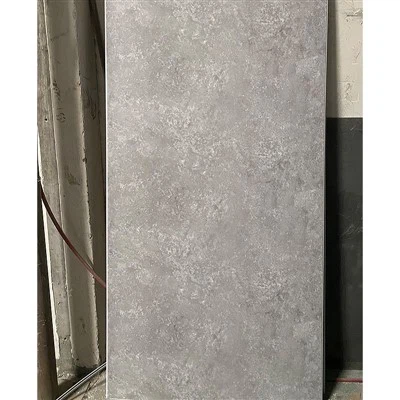
Let me cut to the chase: yes, they can – but only if you do it right. And as someone who’s spent the last 8 years selling PVC wall panels (and answering every single “wait, will this hold up in my wet basement?” question), I’m here to break this down like we’re chatting over coffee, not a boring product manual. No jargon, no confusing charts – just real talk from a guy who’s seen good installs, bad installs, and the ones that make clients text me at 2 a.m. panicking about peeling panels.
First, let’s address the basement elephant in the room: moisture. This is the big one. If your basement has standing water after a rainstorm or condensation that drips down the walls when it’s humid, PVC panels are actually way better than traditional drywall or wood. Wait, hold on – I know what you’re thinking: “PVC is plastic, what about mold?” Let’s get that myth out first. Drywall is basically giant sheets of compressed gypsum and paper – mold loves that stuff, and once it starts, it’s impossible to fully get rid of without tearing everything out. Wood panels? They absorb moisture like a sponge, warp, rot, and become a mold farm before you know it.
PVC wall panels, though? They’re non-porous. That means moisture can’t seep into them, and mold can’t grow on the surface (as long as you install them correctly, more on that later). I had a client last year in Ohio – you know, the state where basements get so damp in spring you can wring out a towel after 10 minutes – who tried painting their concrete walls with regular latex paint. It peeled in 6 months, and they found black mold behind every spot. We put our standard waterproof PVC panels on, and a year later they texted me a video of them wiping the panels with a damp cloth and saying, “Still looks like the day you installed it.” That’s the stuff we live for.
But wait, not all PVC panels are created equal, right? I can’t just say “all PVC works” because that would be lying to you. There are budget PVC panels out there, the kind you pick up at a big box store for $0.50 a square foot, that are thin, low-quality, and can warp if exposed to extreme, consistent humidity. Our panels? We use 100% virgin PVC (no recycled junk that breaks down faster) and we add a UV stabilizer and a moisture-resistant core that’s specifically designed for high-humidity areas like basements. We’ve tested our panels in a controlled chamber where we blast them with 95% humidity 24/7 for 6 months – no warping, no fading, no peeling seams. That’s the kind of durability you actually need down in a basement.
Now, here’s the part most people skip – installation, which makes or breaks the whole thing. Even the best PVC panels won’t work if you install them wrong. Let’s talk prep: first, you can’t just slap them straight onto a damp concrete wall. Wait, but how do you know if your concrete wall is too damp? We always suggest a simple test: tape a 2×2 foot piece of plastic to the wall with duct tape, leave it for 24 hours. If there’s condensation under the plastic, your wall has high vapor permeability, and you need a barrier first – not too fancy, just a vapor-retardant membrane that you can get at any hardware store. That’s non-negotiable, guys. Skipping that step is like wearing a raincoat with a hole in it – it’s useless.
Then, do you glue the panels directly to the wall, or use a furring strip? For most basements, furring strips are the way to go. Why? They create a small air gap between the concrete and the panels, which lets any excess moisture circulate and escape – that’s key for preventing hidden mold. Plus, if you ever have a small leak that you catch before it becomes a big problem, the air gap lets you spot it way faster than if panels are glued tight to the wall. If you have a really smooth, dry concrete wall (lucky you!), you can use a heavy-duty construction adhesive, but I still recommend furring strips if you can swing it.
Also, don’t forget the trim and the edges. Basements can have awkward spots: around windows, door frames, sump pump pipes (super important, never cover your sump pump access with panels – leave that visible for maintenance). We make custom PVC trim pieces that match our panels, so you don’t have to paint anything, and they’re cut to fit perfectly around those tricky spots. I’ve seen clients try to use wood trim down there – warped, rotted, bye-bye trim after a year. PVC trim lasts the lifetime of the panels, no touch-ups needed.
Now, let’s get real about what PVC wall panels can’t do. If your basement has chronic, recurring flooding – like, water sits for days after every heavy rain – PVC panels can handle the occasional splash, but they’re not designed to be submerged in water. In that case, you’d need a different solution, or at least make sure the panels are sealed extra tight and you have a proper drainage system. Also, they’re not bulletproof – if you swing a baseball bat at them, they’ll scuff, but that’s way easier to fix than a whole wall of water-damaged drywall. A quick touch-up marker (we sell those, too) makes scuffs disappear, no sanding or repainting needed.
Wait, I know some of you are still thinking: “But PVC is plastic, it’s cold.” Fair point! I get that. A lot of people think basement floors or walls stay cold, and plastic will make it worse. But here’s the thing – compared to bare concrete, PVC panels add a tiny layer of insulation. Not as much as foam, but more than concrete. Plus, if you pair them with a small space heater or baseboard heater (super common in basements), the panels won’t hold the cold the way concrete does. We’ve had clients install our panels and then put up floating shelves or a small sectional, and they say the room feels way warmer than it did with just concrete. It’s the little things.
Another big plus? Maintenance. Basements are messy – they get dust, maybe some spills, kids dragging toys down there, tools getting dropped. PVC panels are waterproof, so you can just wipe them down with a damp cloth and all the dirt and dust comes right off. No scrubbing, no repainting, no worrying about if a spill will leave a stain. I had a client who used his basement as a gym – he dropped a water bottle that leaked all over a panel, and when he wiped it up, there was zero stain, no warping. That’s the kind of low-maintenance win people love for basements, right?
Now, let’s address the common mistakes we see. Number one: buying cheap PVC panels from a random online store. A lot of no-name brands sell PVC panels that look identical to ours but are made with thin, low-grade material that warps in 6 months of humidity. We’ve had clients who switched from those panels to ours and couldn’t believe the difference. Number two: skipping the vapor barrier test. We can’t tell you how many times we’ve had to fix panels that peeled because the client didn’t test for moisture first. Number three: covering sump pump access or foundation vents. Those need to stay clear for maintenance and airflow, so plan around them when you’re measuring. Number four: not sealing the seams. We give our clients a special PVC seam sealant when they buy panels, and it’s important to apply that to every seam to make sure no moisture gets through. It takes 10 minutes extra, and it saves you a ton of headaches later.
So, should you use PVC wall panels in your basement? If you have normal humidity, no chronic flooding, and you’re willing to do the prep work (test moisture, add a vapor barrier if needed, use furring strips), hell yes. They’re affordable, durable, low-maintenance, and way better for basements than drywall or wood. We’ve installed thousands of these over the years, and the feedback is almost always the same: “Why didn’t I do this sooner?”
If you’re on the fence, here’s my pro tip: order a sample. Our samples are free (you just pay for shipping, which is like $5) and you can leave it in your basement for a week to see how it holds up to your specific humidity. No more guessing, no more “will this work?” panic.
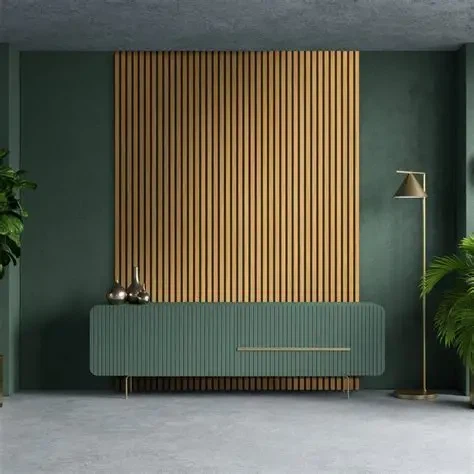
At the end of the day, basements don’t have to be the forgotten, musty space in your house. PVC wall panels are a simple, cost-effective way to turn that space into a guest room, gym, playroom, or even just a tidy storage area that you’re proud to show off. If you’re ready to stop dealing with peeling paint, moldy walls, and constant maintenance, we’re here to help you pick the right panels, answer any weird questions you have (like, “Can I put a poster on them?” Yes, with Command Strips – no holes needed), and get your basement upgrade started. Reach out to our team to chat through your project, get a custom quote, or just pick our brain about anything PVC-related. We love this stuff, and we’re here to make your basement project as stress-free as possible.
Roofing Waterproof Membrane References:
- American Society of Home Inspectors. (2022). Basement Moisture Management: A Guide for Homeowners. ASHI Press.
- National Association of Home Builders. (2021). Durable Wall Coverings for High-Humidity Environments. NAHB Research Center.
- PVC Pipe & Fittings Association. (2020). Performance Characteristics of Virgin PVC Building Products. PVCIA Technical Bulletin.
Hangzhou Eastopo New Marterial Technology Co., Ltd.
As one of the most professional pvc wall panel manufacturers and suppliers in China, we offer a wide range of products with superior quality. Please rest assured to wholesale custom made pvc wall panel from our factory. Good service and reasonable price are available.
Address: Room 304-20, Block B, Building 1,2,3&4, Kaixuan Jinniu Fang, Shangcheng District, Hangzhou, Zhejiang, China.
E-mail: mj@eastopo.com
WebSite: https://www.eastopo.com/
