If you’ve ever stood in my workshop at the back of our distribution yard, watching delivery drivers unload batches of engine and fuel pumps on a rainy Tuesday, you know I don’t cut corners when it comes to car pump care. For 12 years, I’ve supplied pumps to local garages and family fleets across the Midwest, and the number one call I field every month isn’t about a broken unit—it’s about one that failed because of skipped maintenance. Most drivers think a pump is a set-it-and-forget-it part, like a windshield wiper or a floor mat, but that’s the kind of assumption that leaves you stranded on the highway at 2 a.m. This post is for everyone who’s ever wondered, “What kind of maintenance does a car pump actually need?”—written from the guy who sells these pumps and fixes the ones that didn’t get the care they deserved. Car Pump

First, let’s get clear: when I say “car pump,” I’m not just talking about fuel pumps. Most modern cars have three critical pumps under the hood or in the fuel tank, each with its own maintenance rhythm, and skipping steps on one can take out the others. There’s the high-pressure fuel pump that sends gas from the tank to the engine’s combustion chamber, the water pump that circulates coolant to keep the engine from overheating, and the power steering pump that makes turning the wheel feel easy. I’ve seen all three die from neglect, and the costs add up fast—replace a failed water pump, and you might have to replace the engine too; replace a fuel pump, and you could be looking at a tow bill that’s more than the pump itself.
Let’s start with the most common culprit: the fuel pump. I’ve had customers bring me fuel pumps that are caked with rust and debris because they never changed their fuel filter. Here’s the science that makes that maintenance make sense: fuel tanks have a tiny strainer sock on the pump’s inlet, but that’s only a first line of defense. The fuel filter traps microscopic contaminants—dirt, rust from old gas tanks, even tiny rubber bits from deteriorated fuel lines—that would grind the pump’s gears or clog its inlet. Most vehicle manuals say to change the fuel filter every 30,000 to 60,000 miles, but if you drive a lot on back roads where gas stations have older storage tanks, you might need to do it every 20,000 miles. I always tell my customers to check their owner’s manual first, then add 10,000 miles if they regularly fuel up at small, independent stations instead of big national chains.
Then there’s the part of fuel pump maintenance most drivers never think to do: checking the pump’s pressure. A lot of new cars have electronic fuel pumps that sit submerged in the fuel tank, so you can’t just pull them out to inspect them easily. But even if you can’t see the pump, a mechanic can hook up a fuel pressure gauge for $50 at your next oil change, and that simple test can catch a failing pump before it quits entirely. I’ve seen a pressure test show a pump was 20% below its operating limit on a car with 45,000 miles on it—change the filter, flush the fuel system, and that pump went another 30,000 miles without issue. Skipping that test, though, means waiting for the pump to drop below 50% pressure, which is when it’ll die mid-drive.
Next up, the water pump—this is the one that’s responsible for more engine breakdowns than any other pump part, in my experience. The water pump is all about lubrication and coolant condition, and most people don’t realize that the coolant itself is a maintenance item, not just something you top off when the low light comes on. Coolant isn’t just water; it has corrosion inhibitors that protect the pump’s metal impellers and seal, and those inhibitors break down over time. Every 50,000 to 100,000 miles (again, check your manual—newer vehicles with synthetic coolant can go longer), you need to flush the old coolant and replace it with the correct type for your car. I’ve seen water pumps seize up because the coolant was so old the impellers rusted together—stranding a family on a summer road trip with a dead engine, all because they skipped a $150 coolant flush.
Another big one for water pumps: checking the belt or timing drive that spins the pump. Most water pumps are driven by the serpentine belt, which also runs the alternator, power steering pump, and air conditioning compressor. If that belt cracks or stretches, it can slip, making the water pump spin slower than it should—so the engine overheats even if the pump is technically working. Most serpentine belts need replacement every 60,000 to 100,000 miles, and when you replace the belt, it’s smart to also check the water pump’s pulley for play. If you wiggle the pulley and it moves more than a quarter inch back and forth, the pump’s bearings are wearing out—replace the pump while you’re at it, because it’ll only fail before the next belt change. I see this mistake all the time: a customer comes in for a new serpentine belt, declines the water pump replacement because “the car runs fine,” and two months later they’re back with a seized water pump that’s ruined the radiator and head gasket. It’s a $800 mistake they could have avoided for $200.
The third pump I get asked about a lot is the power steering pump. This one’s often overlooked because it doesn’t have the same catastrophic failure risk as fuel or water pumps, but a bad power steering pump can make driving dangerous, especially for older drivers or anyone who struggles with hand strength. Power steering fluid is the key here—like coolant, it has lubricants and anti-wear additives that break down. You should flush and replace power steering fluid every 30,000 to 50,000 miles, and before you do that, check the fluid level and color. If it’s dark brown or has a gritty feel when you rub a drop between your fingers, that’s the pump’s internal parts wearing down. I also tell customers to check for leaks around the pump’s seal every oil change—small leaks can turn into low fluid, which causes the pump to work harder, wear out faster, and eventually seize up. A power steering pump replacement is cheaper than most people think, but a seized pump can also damage the steering rack, which is a much bigger bill.
Now, let’s talk about the common myths I hear every week from drivers. The first is: “My pump is electric, so it doesn’t need maintenance.” That’s wrong—electric fuel pumps still rely on clean fuel and the strainer sock, which clogs if you don’t change the filter. Also, electric pumps generate heat when they run, and they’re cooled by the fuel in the tank. If you let your fuel tank get below a quarter full, the pump isn’t submerged in fuel, so it overheats and wears out faster. That’s why I always advise drivers to keep at least a quarter tank of gas in the car—small step, but it adds years to a fuel pump’s life.
Another myth: “Pumps last forever.” I wish that was true, but even the highest-quality pumps from our supplier (the ones we test for 1,000 hours before sending them out) have a lifespan of 100,000 to 150,000 miles with proper care. Skip the maintenance, and that number drops to 40,000 or 50,000 miles—sometimes less, if you drive in extreme heat or cold. I had a customer last year who ran his fuel tank on empty every time, skipped the filter change, and went through three fuel pumps in 18 months. He came to me ready to buy a whole set, and I told him fix his driving habits, change his filter every 25,000 miles, and he’d get another 100,000 miles out of the pump. It’s that simple.
So what does a regular maintenance schedule for car pumps actually look like, based on what I’ve seen work over 12 years? Let’s break it down by interval, so it’s easy to follow:
Every 5,000 to 7,500 miles (oil change interval): Check power steering fluid level and color, top off if needed, inspect for leaks. Check coolant level in the reservoir, add distilled water if it’s low (but don’t just top off—schedule a flush if it’s low often, that’s a sign of a leak). If you have a mechanical fuel pump (older cars, pre-2000), check for leaks around the pump’s mounting on the engine block.
Every 20,000 to 30,000 miles: Replace fuel filter (if your car has an external filter—some internal tank filters last longer, so check your manual). Flush and replace power steering fluid.
Every 30,000 to 60,000 miles: Have a fuel pressure test done to check for pump wear. Inspect serpentine belt for cracks or wear, and check water pump pulley for play (the early sign of bearing wear).
Every 50,000 to 100,000 miles: Flush and replace coolant, and inspect the water pump for leaks or bearing play. If you’re replacing the serpentine belt at this interval, it’s highly recommended to replace the water pump too—mechanics call this “belt-and-pump service,” and it saves you from paying for a second tow and part replacement when the pump fails.
I can’t stress enough how much this maintenance saves you, not just money but stress. I’ve seen customers miss a family vacation because their water pump died on the highway, or get stuck in a snowbank because their fuel pump clogged. It’s all preventable with 15 minutes of checks every few months, and small, cheap parts like filters and fluid flushes.
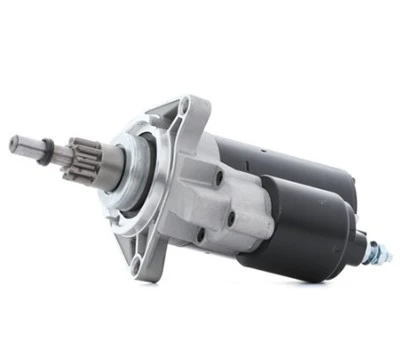
If you’re a mechanic looking for reliable pumps to stock in your shop, or a fleet manager needing to set up a maintenance schedule for your vehicles, I can help. As a supplier, I don’t just send parts— I’ve built this business on standing behind the pumps we sell, and I’ve spent years sharing what I know about keeping them running. Whether you need a replacement pump for a single car or bulk orders for a fleet, we offer competitive pricing and technical support to make sure you’re choosing the right pump for your vehicle and maintenance needs. Don’t wait until your pump fails on you—reach out to us today to discuss your requirements, and we’ll help you keep your cars running smooth for years.
Car A/C Compressor References
- Automotive Maintenance Advisory Council. (2022). Fuel System Maintenance Best Practices for Modern Passenger Vehicles. National Institute for Automotive Service Excellence.
- Society of Automotive Engineers. (2021). Coolant Degradation and Water Pump Lifespan in Internal Combustion Engines. SAE International Journal of Engines.
- National Highway Traffic Safety Administration. (2020). Driver Maintenance Habits and Vehicle Pump-Related Breakdowns. NHTSA Technical Report DOT HS 812 876.
- Power Steering Manufacturers Association. (2023). Power Steering Fluid Flush Intervals and Pump Durability Guidelines. PSMA Industry Standards.
Shanghai Changshun Imp.&Exp. Co., Ltd.
As one of the most professional car pump manufacturers and suppliers in China, we are committed to providing high quality OEM service to global clients. We warmly welcome you to buy premium car pump made in China here from our factory.
Address: No. 1558, Bai’an Road, Anting Town, Jiading District, Shanghai
E-mail: info@changhui-group.com
WebSite: https://www.changhuish.com/
