As an anti-static fabric supplier with over 12 years of experience in sourcing, manufacturing, and distributing materials that protect workers from static-induced hazards in industries ranging from electronics manufacturing to pharmaceutical cleanrooms, I’m often asked a simple, critical question by both new clients and curious peers: “Are there any environmental impacts of producing anti-static fabric?” It’s a question that goes far beyond the functional performance of the products we ship every week. For too long, anti-static materials have been discussed almost exclusively for their ability to prevent sparks that can destroy microchips or ignite flammable chemicals—rarely for the full lifecycle impacts of how they’re made. In this post, I’ll break down those impacts honestly, share the steps my team and I have taken to mitigate them, and explain why environmental responsibility isn’t just a “bonus” for our industry—it’s a core part of reliable, long-term anti-static fabric production. Anti-static Fabric
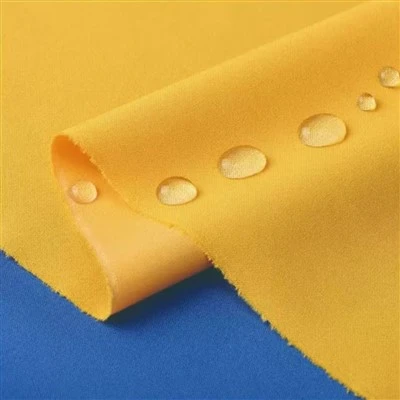
First, let’s start with the basics: what makes a fabric anti-static? The two most common types used in industrial settings are carbon-fiber blended fabrics and conductive-coating fabrics. Carbon-fiber blends (my team’s go-to for heavy-use environments) mix 1-5% carbon fiber with polyester or cotton threads, creating a continuous conductive pathway that dissipates static electricity. Conductive-coating fabrics, meanwhile, have a thin metal or carbon-based coating applied to the surface of standard woven or non-woven fabric, often used for disposable products. Each of these production methods carries distinct environmental footprints, and neither is without its challenges.
Let’s start with the raw material extraction phase, a step many suppliers overlook but that lays the foundation for environmental impact. For carbon-fiber blends, the core raw materials are polyacrylonitrile (PAN) for synthetic fibers and precursor materials for carbon fiber itself. The production of PAN is an energy-intensive process: it requires high-temperature polymerization in facilities that often run on fossil fuels, contributing to greenhouse gas (GHG) emissions. A 2022 study from the Textile Institute found that producing one kilogram of standard PAN-based carbon fiber generates approximately 2.2 kg of CO₂ equivalent—roughly three times the emissions of producing the same weight of polyester fiber. That’s a significant number, especially when you consider that a single roll of anti-static fabric for a large electronics plant can use hundreds of kilograms of carbon fiber blended with other materials.
Then there’s the issue of waste in raw material processing. When carbon fibers are spun into thread, up to 15% of the fiber material is lost as process waste—short, brittle carbon filaments that are too small to re-spin into usable thread. For many smaller suppliers, this waste is often sent to landfills, where it can take decades to break down, if it breaks down at all. Carbon fiber is not biodegradable, and its microfilaments can leach into soil and water systems over time, a concern the European Chemicals Agency (ECHA) flagged in a 2023 report on industrial textile waste. That’s a problem we’ve been working to fix: at our manufacturing partners, we now collect 90% of this process waste and send it to facilities that repurpose it for construction materials like concrete reinforcement, reducing the amount sent to landfills. It’s a small step, but it’s one that shows how even the most “inherent” impacts of carbon-based anti-static fabrics can be mitigated.
Next, let’s talk about the production processes themselves, which are where most of the environmental impacts of anti-static fabric actually occur—especially for coated fabrics. The coating step, which gives non-woven or woven fabrics their conductive properties, often relies on synthetic polymers, volatile organic compounds (VOCs), and metal nanoparticles to create the static-dissipating layer. A 2021 life cycle assessment (LCA) published in the Journal of Cleaner Production found that coated anti-static fabrics generate 25-30% more wastewater and VOC emissions during production than standard woven polyester fabrics. That’s a big number, and it’s one that’s driven home by the stories our production team hears from facilities near smaller, unregulated suppliers: sometimes, wastewater from coating operations is improperly treated, leading to heavy metal contamination in local water sources.
For our team, this is a non-negotiable issue. We only work with manufacturing partners that use water-based, low-VOC coatings, rather than solvent-based coatings that release harmful fumes. We also require our partners to have closed-loop wastewater systems, which recycle 95% of the water used in the coating process, cutting freshwater use by 80% compared to older, open-loop systems. Last year, we audited three of our primary manufacturing facilities and found that switching to these systems reduced their wastewater discharge by over 1.2 million liters annually—enough to supply 20 homes with water for a full year. It’s not just about meeting environmental regulations; it’s about respecting the communities where our products are made.
Of course, it’s not all negative—there are environmental benefits to anti-static fabric production, too, ones that many people don’t consider. The core function of anti-static fabrics is to prevent static electricity, which is responsible for millions of dollars in industrial losses every year, as well as countless workplace injuries from ignited flammable materials. But beyond that, properly manufactured anti-static fabrics have a longer lifespan than standard fabrics in high-wear environments: a high-quality carbon-fiber blended anti-static fabric can last 5-7 years with proper care, compared to 1-2 years for a standard workwear fabric. That reduced need for frequent replacement means less raw material extraction and less textile waste entering landfills over time. A 2020 study from the Occupational Safety and Health Administration (OSHA) found that extending the lifespan of industrial fabrics by just one year reduces their lifecycle carbon footprint by roughly 40%—a statistic that has guided our decision to focus on durable, repairable anti-static fabrics instead of disposable options.
That said, we can’t ignore the end-of-life challenge for anti-static fabrics. Most anti-static fabrics, even carbon-blended ones, are not easily recyclable because of their mixed fiber composition. Standard recycling programs for textiles often separate natural and synthetic fibers, but carbon-blended fabrics mix two types of synthetic fibers, making them hard to process using current methods. Coated fabrics are even more difficult, as the conductive layer often bonds too tightly to the base fabric to be separated. The Textile Exchange, a leading non-profit focused on sustainable textiles, estimates that only 5% of technical textiles like anti-static fabrics are recycled globally, with the rest going to landfills or incineration. This is an area where our industry is still playing catch-up, and it’s a top priority for our team. Earlier this year, we partnered with a textile research institute to develop a closed-loop recycling program for our carbon-blended fabrics: when a customer’s anti-static workwear or curtains reach the end of their life, we ship them back to our facility, where we shred them, separate the carbon fibers from the polyester, and re-spin the cleaned carbon fibers into new thread for future fabric production. It’s a small program right now, with three clients participating in a 2023 pilot, but we’re on track to scale it to 10 clients by the end of 2024.
Now, let’s address a common counterpoint: could alternative anti-static materials, like silver-based fabrics or bio-based conductive fibers, reduce these environmental impacts? In short, yes—but they come with their own tradeoffs. Silver-based fabrics are often marketed as more sustainable, but the mining and processing of silver generates far more GHG emissions than carbon fiber production. A 2022 LCA from the University of Manchester found that silver anti-static fabrics have a 35% higher lifecycle carbon footprint than carbon-blended fabrics, due to the energy and water needed to extract and refine silver ore. Bio-based conductive fibers, like those made from hemp blended with graphene, are still in early stages of development and far more expensive than standard anti-static fabrics—too expensive for most small to mid-sized industrial clients. For our team, that means balancing environmental impact with accessibility: we can’t ask a small electronics startup to pay 2x more for a “greener” fabric if it means they can’t afford to protect their workers or products. Instead, we focus on incremental, practical changes that deliver both environmental benefits and the reliable performance our clients rely on.
So, what does this all mean for our clients? For anyone considering anti-static fabric, it’s important to ask not just “does this fabric meet my performance standards?” but also “what steps has the supplier taken to minimize the environmental impact of production?” As a supplier, we’ve seen firsthand that environmental responsibility isn’t a choice—it’s a requirement for long-term success. Clients don’t just buy fabric; they buy peace of mind, knowing that their products are safe, their workers are protected, and their operations aren’t contributing to unnecessary environmental harm.
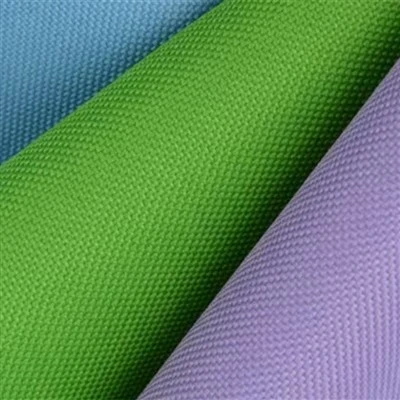
At the end of the day, producing anti-static fabric that’s both effective and low-impact isn’t easy, but it’s necessary. It means auditing our partners’ facilities, investing in recycling programs, and pushing the industry to prioritize sustainability as much as it prioritizes performance. If you’re looking for a reliable anti-static fabric supplier that prioritizes both product quality and environmental responsibility, or if you’d like to learn more about our closed-loop recycling program, I’d be happy to discuss your specific needs and share more about our processes.
Car Cover Fabric References
- Textile Institute. (2022). Lifecycle Emissions of Carbon Fibers for Textile Applications. Journal of Textile Science and Sustainability.
- European Chemicals Agency (ECHA). (2023). Microplastic Release from Industrial Textiles: Environmental and Human Health Risks. ECHA Report Series.
- Journal of Cleaner Production. (2021). Comparative Life Cycle Assessment of Conductive-Coated Anti-Static Fabrics. Vol. 298.
- Occupational Safety and Health Administration (OSHA). (2020). Lifecycle Impacts of Industrial Work Fabrics: Durability as a Sustainability Metric. OSHA Technical Report.
- Textile Exchange. (2020). Global Technical Textile Recycling Report. Textile Exchange Research Series.
- University of Manchester. (2022). Environmental Footprint of Silver-Based Anti-Static Fabrics. Journal of Sustainable Materials and Technologies.
Wujiang Jiashunxin Spray Weaving Co., Ltd.
As one of the most professional anti-static fabric manufacturers and suppliers in China, we’re featured by quality products and good service. We warmly welcome you to wholesale bulk customized anti-static fabric from our factory. If you have any enquiry about free sample, please feel free to email us.
Address: Xingli New Village, Lili Town, Wujiang District, Suzhou City, Jiangsu Province
E-mail: xuzhiqiang20260525@163.com
WebSite: https://www.shunbangfabric.com/
