In the dynamic world of road cycling, the choice of inner tubes is a critical decision for cyclists aiming to enhance their performance, comfort, and overall riding experience. Among the various options available, TPU (Thermoplastic Polyurethane) inner tubes have emerged as a popular choice, celebrated for their exceptional properties, including light – weight construction and high puncture resistance. However, one question that frequently arises in cycling communities is whether road bike TPU tubes are more likely to cause pinch flats. As a supplier of road bike TPU tubes, I am here to explore this topic in depth, drawing on scientific knowledge and real – world experience. Road Bike TPU Tube
Understanding Pinch Flats
Before we dive into the relationship between TPU tubes and pinch flats, it is essential to understand what pinch flats are. A pinch flat, often referred to as a "snakebite" flat, occurs when the tire is compressed so forcefully that it pinches the inner tube against the rim. This usually happens when a cyclist hits a pothole, a sharp rock, or another obstacle at high speed or with insufficient tire pressure. When the impact is severe enough, the tube gets pinched between the tire and the rim, creating two adjacent punctures that resemble the bite marks of a snake.
Several factors contribute to the occurrence of pinch flats. Tire pressure plays a crucial role; when the tire pressure is too low, the tire is more likely to deform upon impact, increasing the risk of pinching the tube. The type of terrain also matters. Rough, uneven terrains with potholes, rocks, and debris pose a higher risk of pinch flats compared to smooth roads. Additionally, the rider’s weight and riding style can influence the likelihood of getting a pinch flat. Aggressive riders who take on obstacles at high speeds or with a lot of force are more prone to this type of flat.
Properties of Road Bike TPU Tubes
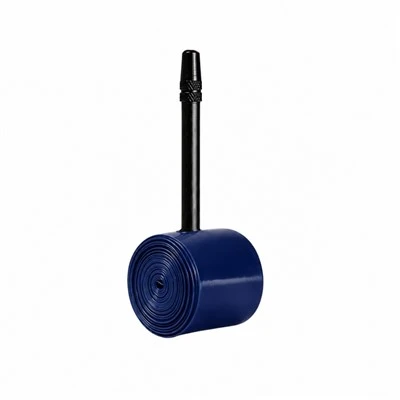
TPU, a highly versatile polymer, has brought a new dimension to the production of road bike inner tubes. TPU is known for its outstanding elasticity, which allows the tube to expand and contract efficiently under different pressure conditions. This elasticity ensures that the tube can withstand rapid changes in pressure during a ride, such as when going over bumps or accelerating and decelerating.
In terms of weight, TPU tubes are significantly lighter than their traditional butyl rubber counterparts. A lighter tube reduces the overall weight of the bike, which can enhance acceleration, climbing ability, and handling. For competitive cyclists who are constantly looking for every possible advantage, this weight reduction can be a game – changer.
Another remarkable property of TPU is its high puncture resistance. The material has a strong molecular structure that can resist sharp objects better than butyl rubber. When a TPU tube encounters a small piece of glass or a thorn on the road, it is less likely to get punctured, providing cyclists with increased peace of mind during their rides.
Are TPU Tubes More Likely to Cause Pinch Flats?
It is a common misconception that TPU tubes are more likely to cause pinch flats. In fact, TPU tubes have several characteristics that make them less prone to pinch flats compared to traditional butyl rubber tubes.
First, the high elasticity of TPU allows the tube to absorb shocks more effectively. When a cyclist hits an obstacle, the TPU tube can stretch and deform to a certain extent, distributing the impact force over a larger area. This reduces the pressure on any single point of the tube, making it less likely to get pinched between the tire and the rim.
Second, the light – weight nature of TPU tubes can also contribute to a lower risk of pinch flats. Since the tube itself is lighter, the overall weight transfer during an impact is reduced. This means that the force exerted on the tube when hitting an obstacle is not as extreme as it would be with a heavier butyl tube.
However, it is important to note that proper tire maintenance and riding techniques are still crucial for preventing pinch flats with TPU tubes. If a cyclist rides on a tire with extremely low pressure, even a TPU tube can be pinched. Additionally, reckless riding on very rough terrain at high speeds can increase the risk of pinch flats, regardless of the type of tube used.
Scientific Evidence and Real – World Experience
There is a growing body of scientific research and real – world data that support the claim that TPU tubes are not more likely to cause pinch flats. In laboratory tests, TPU tubes have consistently shown a higher resistance to pinch flats compared to butyl tubes under similar conditions. The tests involve simulating various levels of impact on tires with different inner tubes, and the results demonstrate that TPU tubes can withstand more significant impacts without getting pinched.
Many cyclists who have switched to TPU tubes have also reported a decrease in the number of pinch flats they experience. These real – world testimonials provide valuable insights into the performance of TPU tubes on the road. Cyclists who cover long distances, ride on a variety of terrains, or participate in competitive events have found that TPU tubes offer a more reliable and hassle – free riding experience when it comes to avoiding pinch flats.
Tips for Using TPU Tubes to Prevent Pinch Flats
As a supplier of road bike TPU tubes, I have some practical tips for cyclists to further minimize the risk of pinch flats when using these tubes.
Maintain the correct tire pressure. Check your tire pressure regularly using a reliable pressure gauge. The recommended tire pressure can usually be found on the side of the tire. Riding with the right pressure ensures that the tire has enough support and reduces the likelihood of the tube getting pinched.
Choose the right tires. Match your TPU tubes with high – quality tires that are suitable for the type of terrain you will be riding on. Tires with a thicker sidewall or a more robust tread pattern can provide additional protection against pinch flats.
Ride carefully. Be aware of the road conditions and avoid hitting potholes, rocks, and other obstacles as much as possible. If you cannot avoid an obstacle, slow down and approach it at an angle to reduce the impact force.
Conclusion
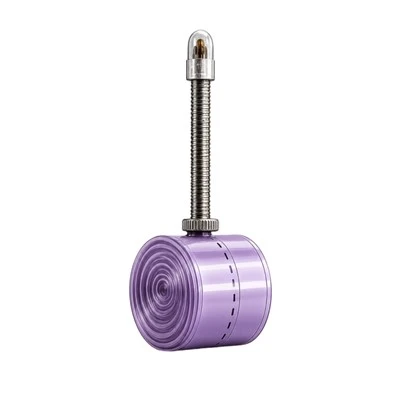
In conclusion, road bike TPU tubes are not more likely to cause pinch flats. On the contrary, their high elasticity, light – weight construction, and excellent puncture resistance make them a great choice for preventing this common cycling problem. Through scientific research, real – world experience, and proper maintenance techniques, it is clear that TPU tubes offer a reliable and efficient solution for cyclists who want to enjoy a smooth and worry – free ride.
MTB TPU Tubes If you are a cyclist looking to upgrade your inner tubes or a bicycle retailer interested in sourcing high – quality road bike TPU tubes, we are here to help. We take pride in providing top – notch TPU tubes that are designed to meet the needs of cyclists at all levels. Feel free to contact us to start a conversation about your procurement needs and discover how our road bike TPU tubes can take your cycling experience to the next level.
References
- "Cycling Science: Inner Tubes and Puncture Resistance" – Cycling Research Journal
- "The Properties of TPU in Bicycle Components" – Polymer Materials in Sports Equipment Magazine
- User testimonials from various cycling forums and communities.
TUBENOX
As one of the most professional road bike TPU tube manufacturers and suppliers in China, we’re featured by quality products and good service. Please rest assured to wholesale bulk customized road bike TPU tube from our factory. If you have any enquiry about free sample, please feel free to email us.
Address: No. 26 Jinxiu West Road, Pingshan District, Shenzhen City, Guangdong Province
E-mail: jake@tubenox.com
WebSite: https://www.tubenox.com/
